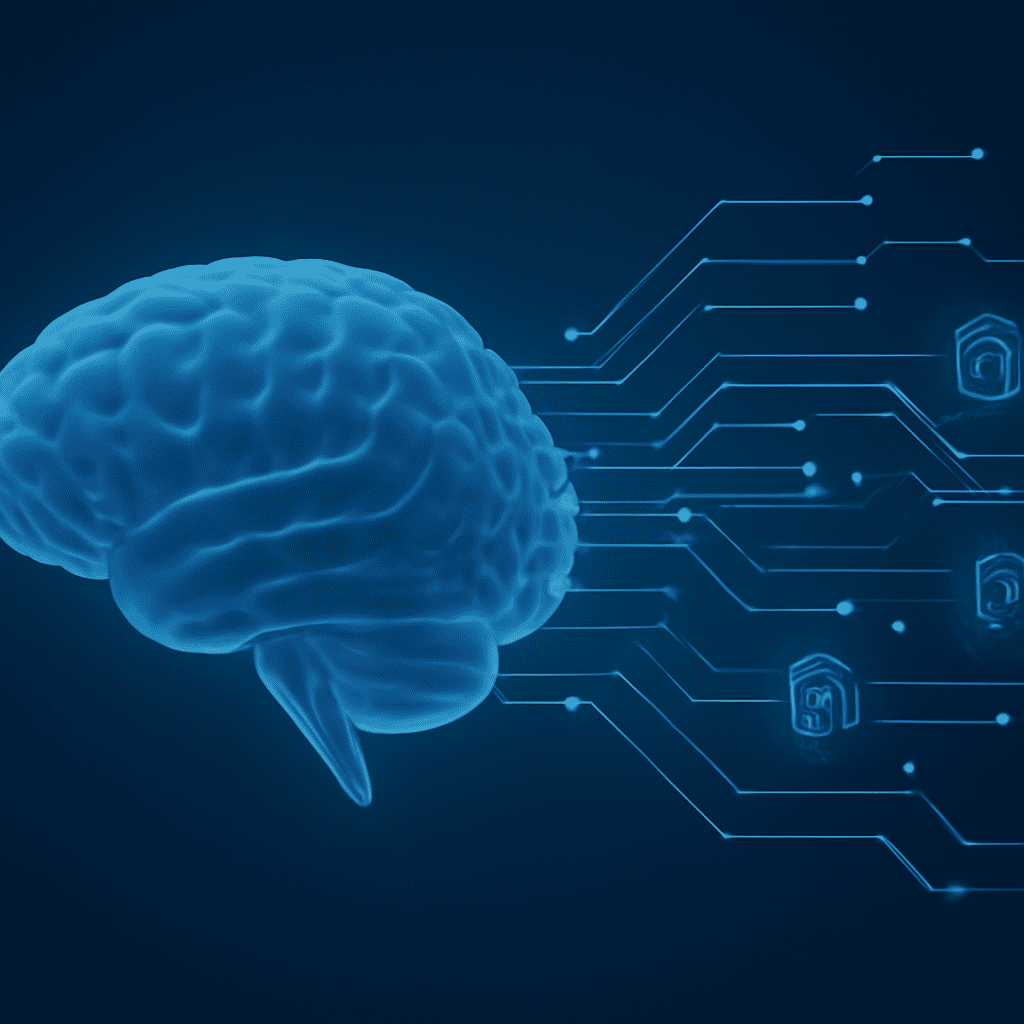
In recent years, the field of neuroscience has witnessed remarkable innovations that are not only advancing our understanding of the human brain but also revolutionizing the way we interact with technology. These breakthroughs are increasingly blurring the lines between minds and machines, paving the way for a future where seamless interaction with digital devices is possible through thought alone.
At the core of these advancements is the development of sophisticated Brain-Computer Interfaces (BCIs), which facilitate direct communication between neural circuits and external devices. BCIs have evolved dramatically, transcending their initial applications in medical rehabilitation for patients with disabilities to more widespread uses, such as enhancing cognitive capabilities and controlling environments using neural activity.
One of the significant milestones in this domain is the use of non-invasive techniques to record brain activity with high precision. Technologies such as electroencephalography (EEG) and functional magnetic resonance imaging (fMRI) have long been utilized to monitor brain wave patterns, but recent innovations in machine learning and artificial intelligence have greatly enhanced the interpretation of these data. Algorithms can now decode complex neural signals into meaningful outputs, allowing users to operate computers, manipulate robotic prosthetics, and even compose music using thought patterns.
Furthermore, the miniaturization of sensor technology is making these interfaces more accessible and practical. Wearable devices capable of reading brain signals are becoming more user-friendly, reducing the need for invasive procedures. Startups and research institutions are constantly pushing the boundaries, working on headsets and ear implants that could one day become as commonplace as smartphones.
Moreover, these breakthroughs hold profound implications for personalized medicine. With the ability to monitor brain activity continuously and non-invasively, neurologists can develop tailored treatments for conditions like epilepsy, depression, and Parkinson’s disease. Real-time tracking of brain states can lead to interventions that are preemptive rather than reactive, significantly improving patient outcomes and quality of life.
The intersection of neuroscience and artificial intelligence is another exciting frontier. By integrating neural data with AI, researchers are creating systems that not only understand human intentions but also learn and adapt over time. This dynamic interaction can enhance human-computer collaborations, leading to smarter, more intuitive interfaces in fields ranging from virtual reality to autonomous vehicles.
However, as we venture into this new era of brain-machine symbiosis, ethical considerations must be at the forefront. Issues of privacy, security, and the potential for misuse of neural data raise important questions about informed consent and data protection. As technology becomes more intimate with our cognitive processes, safeguarding against ethical transgressions will be vital to ensure these innovations serve humanity's best interests.
In conclusion, the frontiers of neuroscience are expanding rapidly, driven by a symbiotic relationship between cutting-edge technology and a deeper understanding of the human brain. As we bridge minds and machines, the potential to enhance human capabilities and improve lives becomes more tangible. With responsible research, collaboration, and innovation, the seamless interaction between the human brain and machines could soon become an integral part of everyday life, opening up possibilities that were once relegated to the realm of science fiction.